IN FOCUS

Whitepaper: Select the Right Pump before Errors Get Costly

Whitepaper: Select the Right Pump before Errors Get Costly

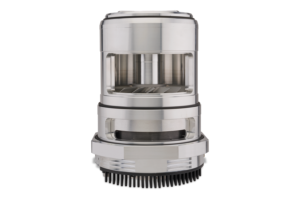
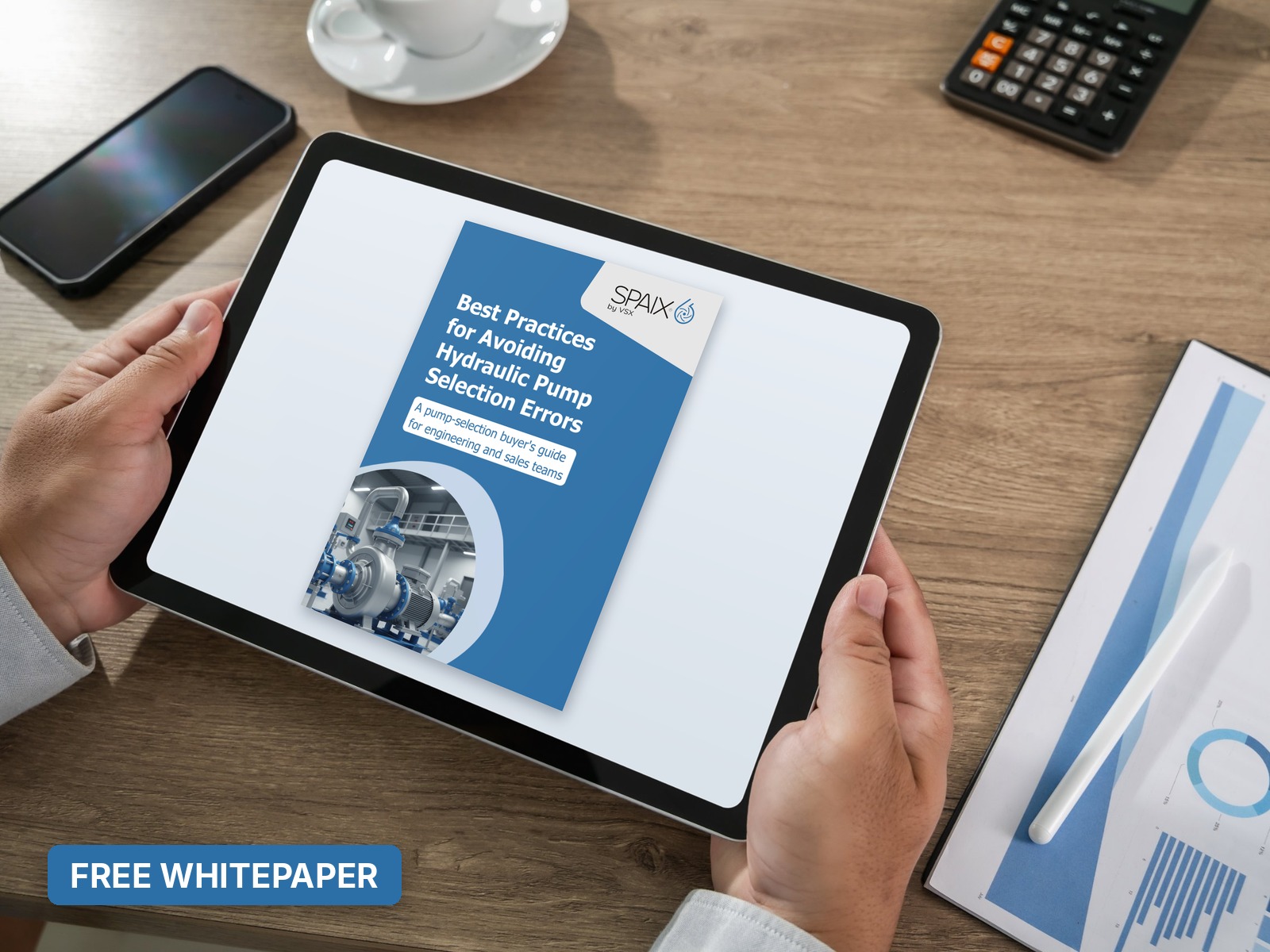
Seven pump selection errors that stay invisible at quote time – from NPSH margins to viscosity correction. The free VSX whitepaper “Best Practices for Avoiding Hydraulic Pump Selection Errors” shows engineering and sales teams how to spot them early, what they cost and which standards apply. Includes an 8-point pre-selection checklist.

Read more

How a Diaphragm Pump Works

How a Diaphragm Pump Works

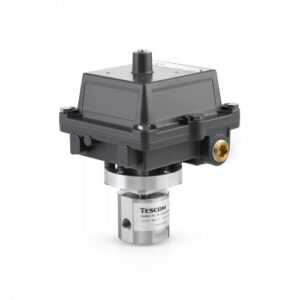
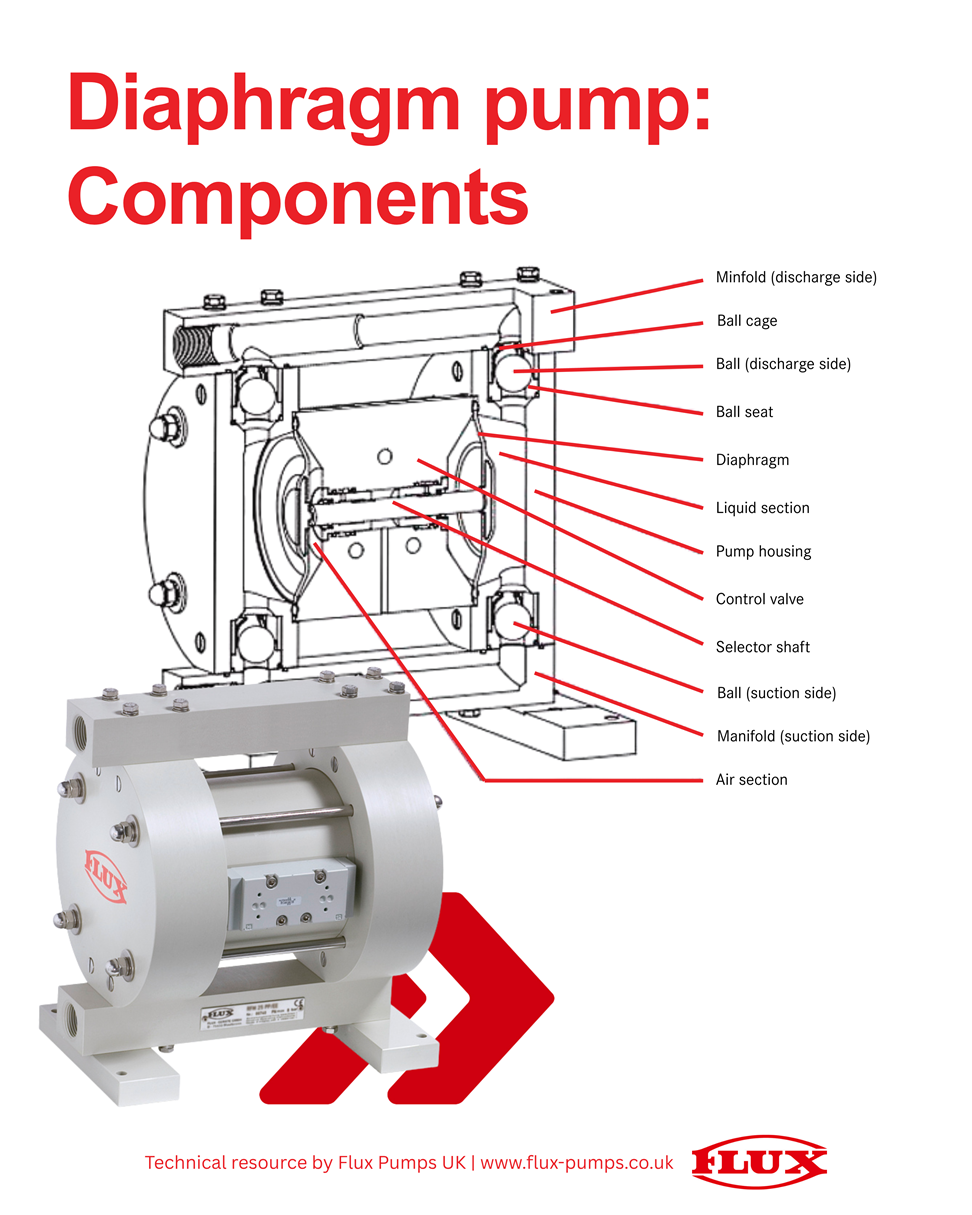
Double diaphragm pumps operate using an oscillating positive displacement principle. The pump consists of two main fluid housings and a central air control section. Inside each housing, a flexible diaphragm is mounted vertically and connected to a shared shaft. As compressed air enters and exits the air chambers, the diaphragms move in a coordinated push pull motion.

Read more

LATEST NEWS - Technical News

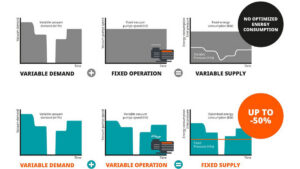
Control and Pumping Speed: Matching Capacity to Demand for Maximum Efficiency

04.09.2026 -

One of the most effective ways to improve the energy efficiency of a vacuum system is to ensure that the operating capacity of the vacuum pump is aligned with the actual needs of the process. A vacuum pump that runs at full speed when the process demand is low wastes energy and can cause unnecessary wear on equipment, reducing service life. By implementing intelligent control systems and variable speed drives (VSD), energy consumption can be significantly cut, leading to lower operating costs and a reduced carbon footprint.

Read more

How to Manage Heat in Vacuum Systems?

31.08.2026 -

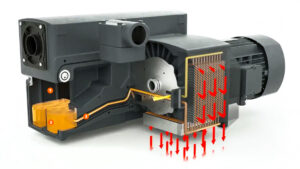
Every vacuum pump converts electrical energy into mechanical work. Inevitably, much of that energy becomes heat, resulting from heating in motor windings, friction between moving parts, and gas compression. While heat generation is unavoidable, how it is managed influences not only the efficiency of the vacuum pump, but can also affect the efficiency of other associated systems and equipment located nearby.

Read more

Non-Genuine Spare Parts and Oils: The Hidden Costs to Vacuum Pump Efficiency

26.08.2026 -

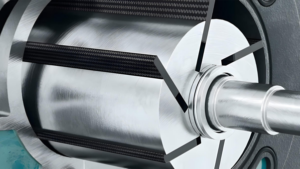
In vacuum technology, precision and reliability are critical. Whatever the application, vacuum equipment must always provide the same level of performance in order to produce consistent results. Non-genuine components may look the same as genuine parts, but their inconsistent quality can reduce efficiency, compromise reliability, and increase total cost-of-ownership. This article explains how genuine spare parts and oil preserve vacuum pump efficiency, reliability and performance, and outlines the risks of substandard substitutes.

Read more