IN FOCUS

How a Diaphragm Pump Works

How a Diaphragm Pump Works

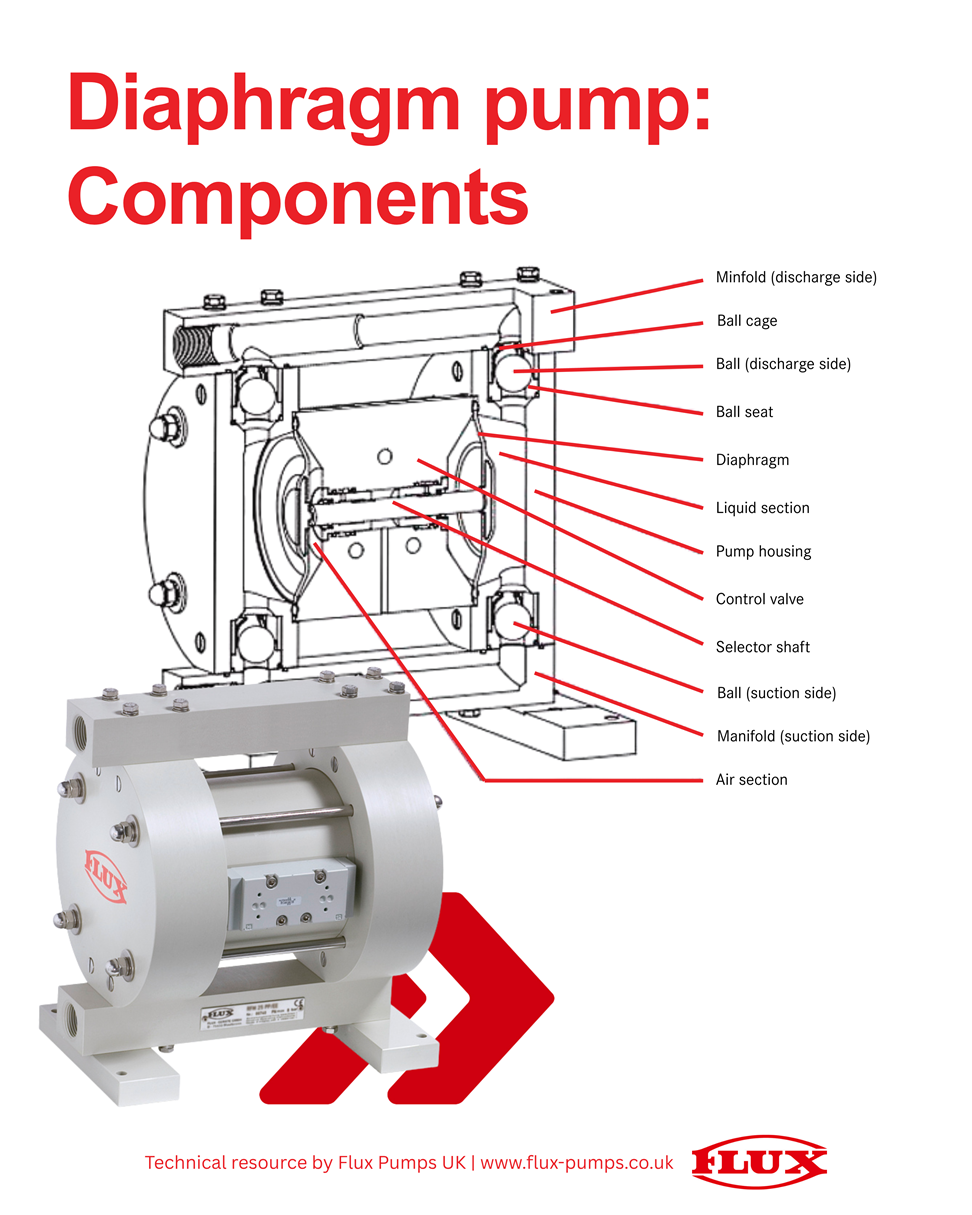
Double diaphragm pumps operate using an oscillating positive displacement principle. The pump consists of two main fluid housings and a central air control section. Inside each housing, a flexible diaphragm is mounted vertically and connected to a shared shaft. As compressed air enters and exits the air chambers, the diaphragms move in a coordinated push pull motion.

Read more

LATEST NEWS

Measurement of Wet Biogas Flow in a Large Pipeline

28.08.2026 -

Measuring wet, CO₂-rich biogas reliably in a DN300 pipe: for Fangel Bioenergy in Denmark, KROHNE’s OPTISONIC 7300 Biogas delivers pressure-loss-free ultrasonic flow measurement, with adapted titanium transducers, integrated pressure/temperature compensation, and methane content calculation, even under heavy condensate formation.

Read more

BPMA: Delivering AMP8 Will Require More Than Investment

28.08.2026 -

The UK water sector’s AMP8 programme will invest more than £100 billion in infrastructure over five years. In this guest comment, BPMA Technical Officer Gary Wilde argues that success will depend on more than capital alone — whole-life procurement, resilient supply chains and investment in skills and technology.

Read more

Non-Genuine Spare Parts and Oils: The Hidden Costs to Vacuum Pump Efficiency

26.08.2026 -

In vacuum technology, precision and reliability are critical. Whatever the application, vacuum equipment must always provide the same level of performance in order to produce consistent results. Non-genuine components may look the same as genuine parts, but their inconsistent quality can reduce efficiency, compromise reliability, and increase total cost-of-ownership. This article explains how genuine spare parts and oil preserve vacuum pump efficiency, reliability and performance, and outlines the risks of substandard substitutes.

Read more

Safe Drinking Water Supply Worldwide: Lutz-Jesco Expands its Research in Chlorine Gas Technology

26.08.2026 -

Lutz-Jesco is expanding its research and development in safe chlorine gas technologies. The aim is to improve the handling of chlorine gas further and to make drinking water disinfection even safer. Although chlorine gas is classified as a hazardous substance, it remains indispensable in many regions of the world for the safe and economical disinfection of large quantities of water.

Read more