KNF to Showcase New Autoclave Pump N 936.3

14.12.2016

Steam sterilization using a fractionated vacuum and vacuum drying requires maximum performance from diaphragm gas pumps.

The diaphragm design of the new N 936.3 impresses with its consistently high flow rates, especially at pressures of below 500 mbar abs. The diaphragm material is highly resistant to the substances found in oils used to maintain medical instruments being sterilized. Two multiple voltage motors cover all voltages used around the world, thereby significantly reducing the number of variants and the corresponding effort required on the part of the autoclave manufacturer. Thanks to its small size and universal connection scheme, the N 936.3 can be integrated without requiring changes to existing device designs. Certifications have been obtained for Europe and North America.

More articles on this topic

New Air-Cooled 2-Stage Rotary Vane Pump from Leybold

09.01.2026 -

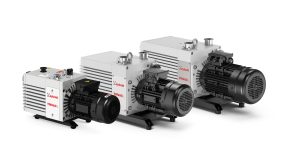
For around 90 years, vacuum manufacturer Leybold has been offering the TRIVAC, a universally applicable rotary vane pump. The robust, oil-sealed vacuum pump combines many advantages and is used in industrial and research applications – for generating pressures in the rough and fine vacuum range and as a backing pump that can be combined with Roots, diffusion, turbomolecular, and cryogenic pumps. Leybold has now developed the TRIVAC L, a new model of the proven two-stage rotary vane vacuum pump with optimized air cooling.

Read more

Pfeiffer Vacuum+Fab Solutions Launches New Global Website

23.07.2025 -

The new website showcases a modern layout, improved navigation, and a range of features designed to help users easily access the products, services, and technical expertise they need. A new product finder enables visitors to explore the entire portfolio of both Busch Group brands – Busch Vacuum Solutions and Pfeiffer Vacuum+Fab Solutions.

Read more

Keeping Vacuum Pumps Cool During Summer Months

30.06.2025 -

As temperatures rise, the performance and durability of vacuum pumps can be significantly affected. Maintaining a cool environment for these devices is critical, as most are built to function effectively in ambient temperatures of up to 40°C. Overheating can lead to accelerated oil degradation, increased maintenance costs, and potential equipment failure, interrupting manufacturing and causing expensive repairs.

Read more