175 Years of Leybold – Vacuum Pioneer Celebrates Company Anniversary

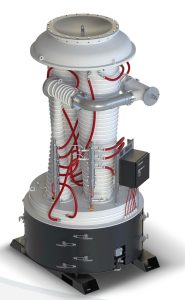
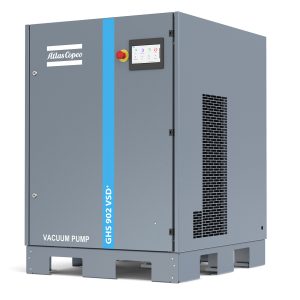
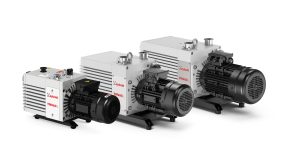
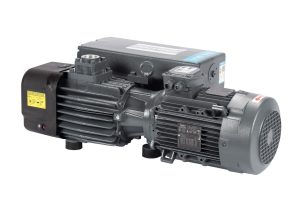
Leybold celebrates 175 years innovative vacuum solutions for research and industry. (Image source: Leybold GmbH)
Important Role in Many Areas
Leybold’s core competencies include developing and manufacturing standardized, individual solutions for vacuum generation and process gas conveying, as well as customer-specific vacuum systems. The vacuum pioneer’s components, systems, and services play an important role in many areas worldwide, such as industrial coating, analysis, and research and development processes.
Dynamic Markets, High Demands
With its comprehensive application expertise and the quality of its products and services, Leybold has a significant influence on the efficiency of processes and value chains. This is particularly important at the moment because the market dynamics and global challenges, such as climate change, are especially great.
Areas of Application Undergoing Structural Change
The currently relevant applications of vacuum technology in structural change include metallurgy, the automotive and coating industries, solar, display and food applications, analytics and processes for the production of lithium-ion batteries for electromobility.
Continuation of the Leybold Name
The entrepreneur Ernst Leybold laid the foundations for the company when he moved from Bavaria to the Rhineland in 1850. By registering the company in Cologne, Leybold became the founder of industrial vacuum technology. Even after the sale of the company in 1870, which continued to operate under the name “E. Leybold's Nachfolger', his vision remained intact.
Collaboration with Dr. Wolfgang Gaede
His successors achieved a breakthrough in vacuum technology in 1906 in collaboration with Dr. Wolfgang Gaede: for example, with the basic principle of the turbomolecular pump (1911) and the application of the diffusion pump (1913), both of which are still in use today. The gas ballast device for pumping out vapors, patented in 1935, is also still in use.
Industrial Utilization of the Vacuum
Vacuum metallurgy began in 1913: Dr. Wilhelm Rohn, head of the physical testing laboratory at W.C. Heraeus GmbH, developed a process for melting high-purity metals in a vacuum in Hanau, which was patented in 1918. In 1931, Wilhelm Carl Heraeus succeeded in vaporizing metals on glass, thus paving the way for vacuum coating technology. Subsequently, vacuum technology was increasingly used in process engineering.
Important Brand with Great Appeal
In September 2016, the Swedish company Atlas Copco AB, based in Stockholm, acquired 100 percent of Oerlikon Leybold Vacuum, which is now part of Atlas Copco's Vacuum Technique division. In the multi-brand group with around 53,000 employees and customers in over 180 countries, Leybold is a major brand that plays an important role with its great tradition and reputation.
Source: Leybold GmbH