IN FOCUS

How a Diaphragm Pump Works

How a Diaphragm Pump Works

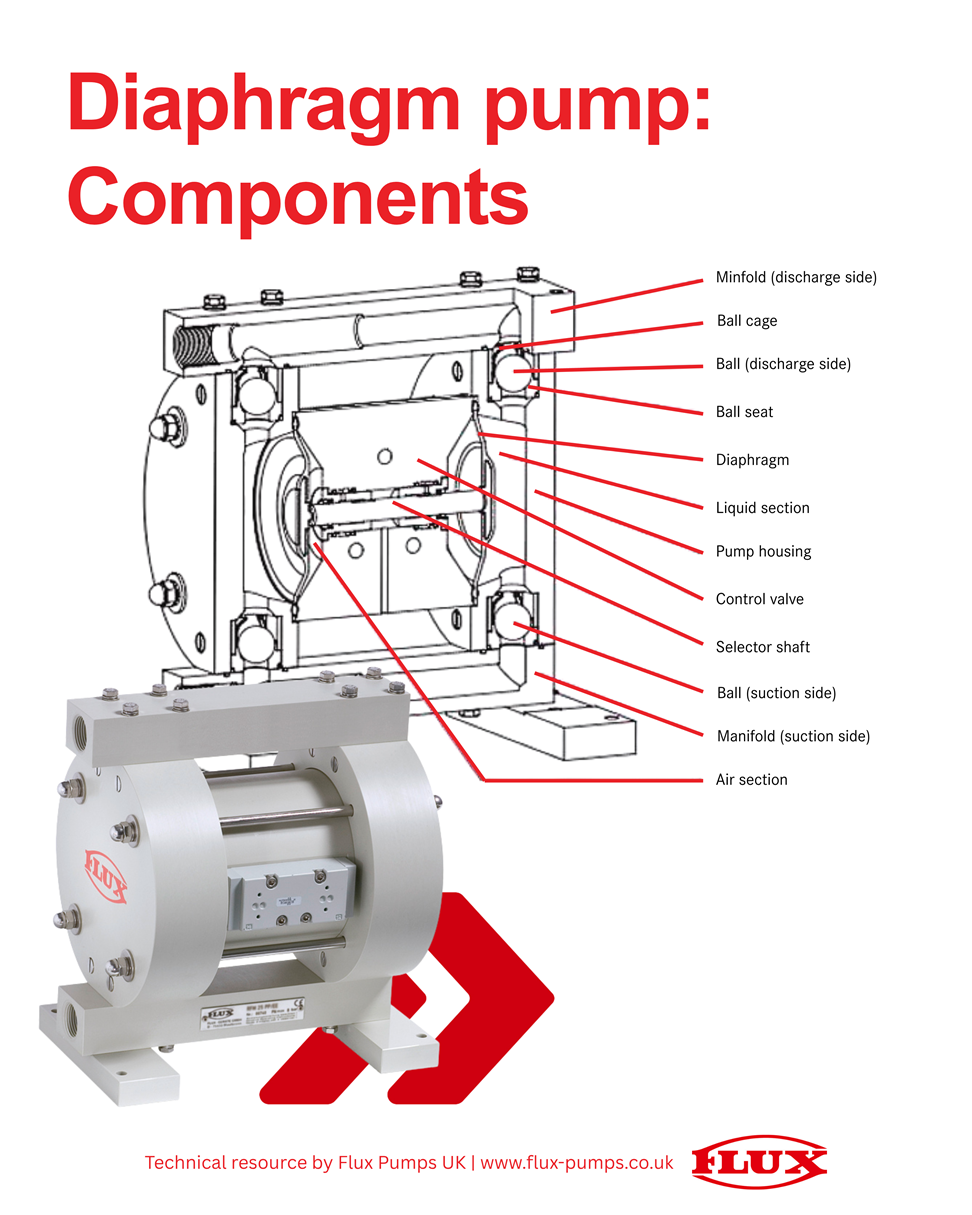
Double diaphragm pumps operate using an oscillating positive displacement principle. The pump consists of two main fluid housings and a central air control section. Inside each housing, a flexible diaphragm is mounted vertically and connected to a shared shaft. As compressed air enters and exits the air chambers, the diaphragms move in a coordinated push pull motion.

LATEST NEWS

Japan Appointed As New Country Partner of the Mostra Convegno Expocomfort 2026

02.07.2025 -

Japan’s HVAC+R market is set for significant growth, driven by rapid industrialization, expanding industrial and commercial construction, and ongoing urbanization. The market is projected to reach a turnover of USD 18.37 billion by 2025 and USD 23.99 billion by 2030, reflecting a compound annual growth rate (CAGR) of 5.49% during the forecast period from 2025 to 2030.

BUMAX Announces Strategic Partnership with Leading Turkish Fastener Distributor

01.07.2025 -

Swedish fastener manufacturer BUMAX has strengthened its market presence in Türkiye, following the signing of a new strategic agreement with Standart Civata (STD) – a distributor of high-quality fasteners. The partnership marks a significant milestone in the BUMAX international growth strategy, aimed at strengthening its distribution network and brand presence in key markets.

LEYBOLD Launches Two New Roughing Pumps for Analytical Applications

01.07.2025 -

Leybold has launched two new versions of its renowned oil-sealed rotary vane pumps for analytical applications. The new developments are characterized by their high pumping speed, low noise level and maintenance intervals of up to 24,000 hours in LC or GC MS applications (Liquid or Gas Chromatography-Mass Spectrometry). The SV BI² sets new Standards in sustainability, compactness, reliability and ease of use.

Keeping Vacuum Pumps Cool During Summer Months

30.06.2025 -

As temperatures rise, the performance and durability of vacuum pumps can be significantly affected. Maintaining a cool environment for these devices is critical, as most are built to function effectively in ambient temperatures of up to 40°C. Overheating can lead to accelerated oil degradation, increased maintenance costs, and potential equipment failure, interrupting manufacturing and causing expensive repairs.