KROHNE Highlights Advancements in Ultrasonic Flow Meter Verification for Enhanced Custody Transfer
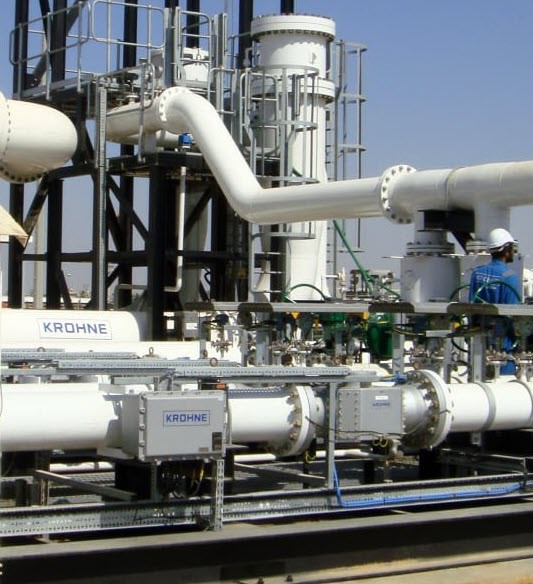
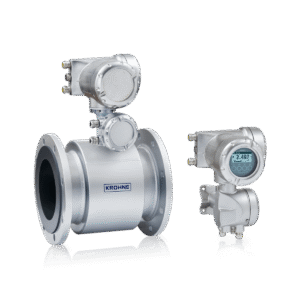
Ultrasonic Flow Meter Verification emphasizes the importance of optimizing custody transfer processes and reducing operational costs. (Image source: KROHNE, Inc.)
Ultrasonic meters offer advantages over mechanical meters, including the absence of moving parts, minimal wear and tear, reduced maintenance, and long-term reliability. Integrating these meters with small volume provers presents unique challenges and requires specific adaptations to both provers and flow meters to ensure successful implementation.
Key Benefits and Considerations
KROHNE's ultrasonic flow meters feature unique Reynolds number characterization, which minimizes sensitivity to fluid property changes, ensuring consistent meter performance across various refined and crude products, provided it's been characterized during the calibration stage. The meters' stable geometry eliminates drift and changes over time, reducing the frequency of required proving. Furthermore, the reduced pressure loss associated with ultrasonic flow meters can significantly lower pumping costs. The meters also eliminate the need for fine filters required by mechanical meters, further reducing operational expenses.
Achieving real-time coupling of the output pulse to the actual flow through the meter is crucial. Advancements, including a high-speed PLC for signal processing and enhanced software algorithms, have significantly improved the performance of ultrasonic flow meters in small volume prover applications. Statistical analysis, such as the student t-table can be used to address statistical variations in proving results.
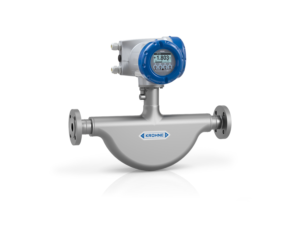
Field results showcase KROHNE's ALTOSONIC five's ability to achieve API-compliant repeatability, even with challenging fluids like gasoline, by addressing issues such as cavitation through proper back pressure management. It's recommended that back pressure should be twice the pressure drop of the meter plus 1.25 times the vapor pressure.
KROHNE is committed to providing innovative measurement solutions that optimize custody transfer processes, reduce operational costs, and enhance the accuracy and reliability of flow measurements in the oil and gas industry.
Source: KROHNE, Inc.