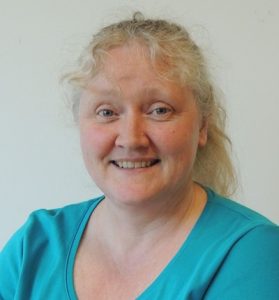
Heidi Mottram: Research and Innovation Will Futureproof Water
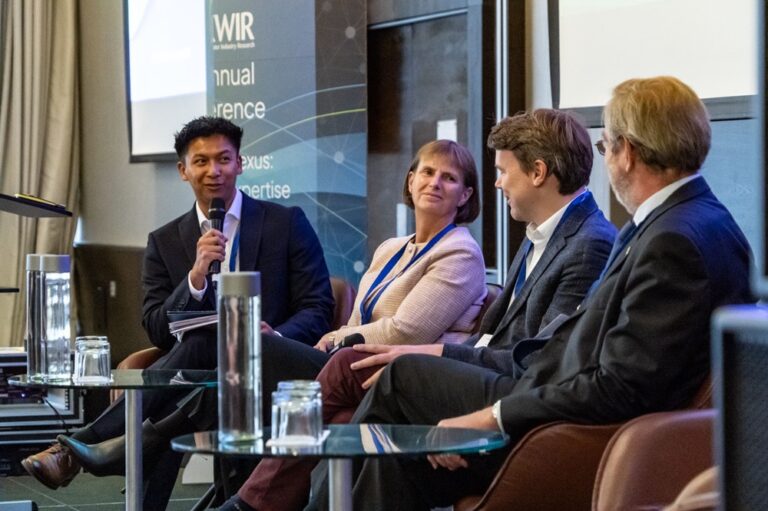
Heidi Mottram: Research and Innovation Will Futureproof Water (Image source: UKWIR)
“Innovation is more than bringing in new technologies, it's about changing the way we think, it’s about changing the way we plan, deliver and look ahead,” Mottram told the 160 delegates to the event, which took place in London on 3 October.
She said the water sector needed to recognise the importance of taking a long-term perspective, “Research and innovation improves what we do, it will futureproof, enhance environmental outcomes, ensure long term resilience and help us connect with communities we serve.”
Change was also front of mind for Stuart Colville, deputy chief executive of industry association Water UK, who joined the first panel of the day, “There’s an absolutely enormous wave of investment coming, for all sorts of reasons,” he said, “and that really challenges us as an industry to think about how we square the circle of affordability, delivery and investment.
“I think it will require some fundamental changes to the way regulation works, we’ll have to get faster and more agile. We’ll need to look at everything from development consents, to new ways of working, to nature-based solutions, or we’ll find ourselves in a really difficult situation.”
Colville said that the nature of water companies is changing fundamentally, “They are catalysing action, they are working in a systems way, and that has to continue, partly for the cost reason ... but also because it’s a better way of working, it delivers better outcomes.”
Deputy director of water regulation at the Environment Agency, Judy Proctor said she believed UKWIR’s research could “bring evidence and science into the debate to really help inform that good practice and different ways of doing things.”
She said that data presented the opportunity to really do things differently, “The challenge for us is to make sure we can regulate that effectively and make sure we can move at pace and get that acceleration around innovation.”
Cross-sector collaboration and multi-stakeholder engagement was a prominent theme across the day, with Julia Dimbleby, operations director of agriculture and land management at specialist consultancy ADAS, highlighting new opportunities for driving sustainable farming practices that would improve water quality and reduce flood risk.
“We now have environmental land management schemes, using public money for public good, such as the sustainable farming incentive,” she said.
“Farmers can be financially rewarded for providing environmental services. By adopting sustainable practices, we can ensure our farming systems are not only productive but are also protective of the environment.”
UKWIR chief executive Steve Kaye, who steps down in November, said the organisation was all about collaboration with lots of stakeholders, including academic institutions, all the water companies in the UK & Ireland and the supply chain.
“The benefit is avoiding duplication and effecting financial leverage,” he said. “Our highest paying members pay around £500K per year to get access to £5 million of research, a leverage factor of ten.”
The most important question of the conference, Kaye said, is “How do we create a stronger industry, rather than better companies? By collaboration, you get broad expertise, but there is a challenge – pace – there are complexities, and you need good stakeholder management.”