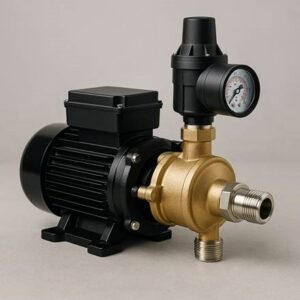
TMR Guest Post: The Industrial Pump Market – Powering Progress Across Industries
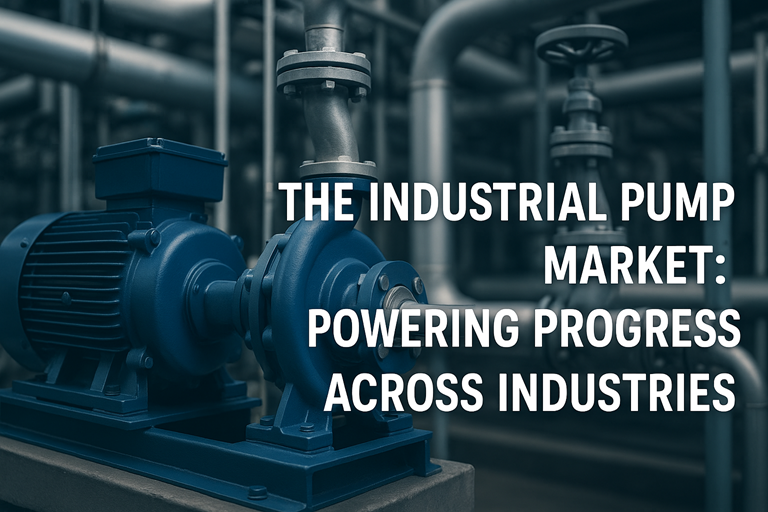
The Industrial Pump Market - Powering Progress Across Industries (Image source: Transparency Market Research)
As global infrastructure development surges and sustainability takes center stage, the industrial pump market is undergoing a significant transformation, propelled by innovation, demand, and strategic investments.
A Backbone of Modern Industry
Industrial pumps are far more than just machinery—they're vital enablers of production and process efficiency. Whether it's circulating coolant in a power plant, transferring corrosive chemicals in a factory, or ensuring water flows smoothly through municipal pipelines, industrial pumps are central to operations across sectors. Their variety—centrifugal, reciprocating, rotary, and diaphragm pumps—ensures there's a solution for virtually every industrial challenge.
Industries like oil & gas, water and wastewater treatment, power generation, and pharmaceuticals are heavily dependent on industrial pumps. As these sectors grow, so does the need for more efficient, durable, and technologically advanced pumping systems.
Market Outlook: A Steady Growth Trajectory
The global Industrial pumps market was valued at US$ 66.7 billion in 2022. It is estimated to grow at a CAGR of 4.9% from 2023 to 2031 and reach US$ 107.6 billion by the end of 2031. This upward trajectory is being fueled by rapid urbanization, industrial automation, and a growing focus on water conservation and energy efficiency.
Government regulations supporting sustainable wastewater treatment and carbon footprint reduction are also playing a major role. For instance, new regulations in Europe and North America require industries to upgrade their fluid handling systems, spurring investments in energy-efficient industrial pumps.
Trends Transforming the Market Landscape
Let’s take a closer look at some of the key trends shaping the future of the industrial pump market:
1. Smart Pumping Systems
Digital transformation has reached the industrial pump segment. Smart pumps, integrated with IoT and AI technologies, are enabling predictive maintenance, remote monitoring, and real-time performance analytics. This not only reduces downtime but also cuts costs significantly. For example, pumps equipped with sensors can alert operators to inefficiencies before they become major problems.
2. Shift Toward Energy Efficiency
Energy consumption accounts for a significant portion of operational expenses in industries. As a result, companies are actively replacing outdated pumps with energy-efficient models that offer variable speed drives (VSDs). These systems adjust pump speed to match the exact flow requirement, improving efficiency while reducing wear and tear.
3. Customization and Modularity
Today’s industrial operations demand flexibility. Customized and modular pump solutions that can be adapted for specific tasks are gaining traction. This trend is particularly prominent in sectors such as food processing and specialty chemicals, where unique fluid properties require tailored pumping systems.
4. Rise in Water and Wastewater Projects
The increasing scarcity of freshwater resources has led to a surge in water reuse and wastewater treatment projects worldwide. Municipal bodies and private players alike are investing in new infrastructure, directly boosting the demand for centrifugal and submersible pumps that can handle large volumes and operate under varying pressure conditions.
Market Challenges to Watch
Despite promising growth, the industrial pump market is not without its hurdles.
One major challenge is fluctuating raw material prices, particularly for metals like stainless steel and cast iron used in pump manufacturing. These fluctuations can squeeze profit margins and lead to volatile pricing for end customers.
Another issue is counterfeit products, especially in developing markets. Substandard pumps not only underperform but also pose safety risks and increase operational costs in the long run.
Moreover, complex regulatory compliance—especially in pharmaceuticals, food & beverage, and chemical industries—requires manufacturers to maintain extremely high design and manufacturing standards, which can slow down time-to-market.
Competitive Landscape: Leading Industry Forces
The global industrial pump market is moderately consolidated, with several key players driving innovation, setting standards, and expanding global footprints.
The key companies influencing the global industrial pump market statistics are EBARA CORPORATION, Flowserve Corporation, Grundfos Holding A/S, Ingersoll Rand, KSB SE & Co. KGaA, Pentair, SPX FLOW, Inc, Sulzer Ltd, Titan Manufacturing Inc., and Xylem.
These companies are not only investing in R&D to create next-generation pumps but also acquiring smaller firms to enhance their portfolios and regional presence. For instance, Grundfos has been focusing on sustainability and smart water solutions, while Flowserve is leveraging its expertise to offer digital services alongside mechanical equipment.
Regional Outlook: Where Growth Is Happening
Asia Pacific: The Powerhouse
Asia Pacific leads the global industrial pump market, driven by rapid industrialization, particularly in China, India, and Southeast Asia. The expansion of manufacturing sectors and infrastructure development has created immense demand for robust and efficient pump systems. Government initiatives such as “Make in India” and China’s “Belt and Road Initiative” are further accelerating market growth.
North America: Technology-Driven Evolution
In North America, modernization of water infrastructure, shale gas exploration, and the focus on energy-efficient technologies are key growth factors. The U.S. Environmental Protection Agency (EPA) has been actively funding municipal water treatment projects, which in turn supports pump sales.
Europe: Sustainability Frontline
Europe continues to lead in terms of environmental regulation and energy conservation. The region’s industrial pump market benefits from initiatives aimed at reducing CO₂ emissions and increasing the efficiency of industrial operations. Advanced manufacturing techniques and stringent quality standards make this a mature yet evolving market.
Investment Opportunities and Future Prospects
As the global demand for high-efficiency and low-maintenance pumping solutions grows, so do the opportunities for innovation and expansion. Market players focusing on:
- Automation and digital integration
- Eco-friendly and energy-saving designs
- Long-term service and maintenance contracts
…are likely to gain a competitive edge.
Emerging markets such as Latin America and Africa, while currently underpenetrated, are set to become hotspots as their industrial infrastructure evolves. The rise in mining, construction, and water management projects in these regions presents untapped potential.
Why This Market Report Matters
For stakeholders—whether investors, manufacturers, or policy-makers—the industrial pump market offers deep insights into the future of industrial automation, infrastructure resilience, and environmental responsibility.
Understanding market drivers, trends, and competitive dynamics allows decision-makers to plan strategically. It also sheds light on how advancements in materials science, sensor technology, and smart manufacturing will shape the next era of industrial fluid management.
Final Thoughts: Quiet Giants of Industrial Growth
Industrial pumps may not be flashy or headline-grabbing, but they are silent giants that keep industries moving. From the heart of a chemical plant to the depths of a municipal water system, they are everywhere—powering processes, ensuring safety, and enabling sustainability.
As global economies grow more complex and interconnected, the humble industrial pump will only become more crucial. The companies that continue to innovate, digitize, and prioritize sustainability will not only shape the market but also contribute significantly to a more efficient and resilient industrial future.
These insights are based on a report on the by Industrial pumps market Transparency Market Research (TMR).