Selling Industrial Pumps to a Global Market: Lessons in Adaptation and Foresight
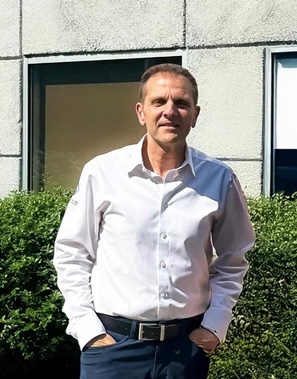
Frank Palucci, Vice President of International Sales, Finish Thompson, Inc. (Image source: Finish Thompson, Inc.)
Regional Differences in Pump Applications
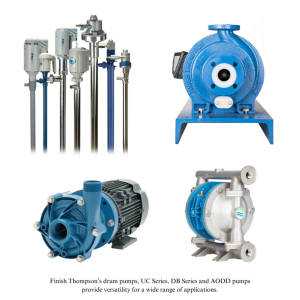
Industrial pumping needs are shaped by geography, industry focus, and local regulations. Mining, for instance, plays a significant role in demand for pumps across several continents. In South America and Australia, air-operated diaphragm pumps (AODD) are commonly used in dewatering operations at open pit mines, where reliability and portability are crucial. Africa often mirrors this trend, relying on similar technologies in its mining sectors.
Europe, by contrast, shows stronger demand for submersible electric pumps, often with ATEX certification for explosive atmospheres. The region’s regulatory environment drives this preference, as compliance with European Union directives requires equipment to meet strict safety standards. Asia blends both approaches, employing diaphragm pumps in mining operations while also increasing adoption of electric solutions in regulated markets.
These differences illustrate the importance of not assuming a one-size-fits-all solution. The success of a pump manufacturer often depends on understanding how industries operate in each region and tailoring offerings to align with both customer expectations and compliance demands.
Expectations influence not only what is manufactured, but also how value is delivered through service, support, and long-term relationships. In practice, this often means adapting portfolios rather than selling the same pump everywhere: AODD pumps for mine dewatering, centrifugal or submersible pumps for wastewater chemical transfer, and specialized models for blending operations in battery storage applications.
Certification as a Gateway
For industrial manufacturers, international certifications are not optional – they are essential passports into new markets. The CE mark, required for all equipment imported into the European Union, ensures conformity with safety and performance standards. Without it, American-made products simply cannot enter Europe. Similarly, ATEX certification is often mandatory for pumps destined for environments with explosive atmospheres, such as oil and gas facilities or chemical plants.
Other certifications vary by region. A country-of-origin certificate may be required to prove where equipment was manufactured. Certain African markets demand municipal seal-stamped documents from U.S. town halls to verify authenticity. In the Middle East, importers sometimes request manufacturing inspection reports to confirm that components are genuine and not counterfeit.
One proven way to overcome these hurdles is through local presence by establishing regional operations that can manage engineering, compliance documentation, and direct engagement with regulators. This approach not only streamlines certification, but also ensures manufacturers can bring CE- and ATEX-compliant equipment to market more efficiently, opening doors to industries such as chemical processing, pharmaceuticals, and specialty manufacturing.
Beyond the administrative effort, these requirements reinforce a key principle: global success depends on building credibility through compliance. Companies must be prepared to engage with local authorities, provide traceable documentation, and invest in certifications that allow their products to compete on equal footing with domestic suppliers.
Local Presence, Local Trust
While paperwork opens the door, building sustainable global business requires presence on the ground. Language, currency, and even unit standards can pose barriers to adoption. Translation of technical literature into local languages ensures operators understand how to use equipment safely. Maintaining inventory within the region reduces downtime for customers and signals commitment to the market.
Another critical adaptation is motor compatibility. North American pumps are typically designed with NEMA motors, while Europe relies on IEC standards. To gain traction internationally, manufacturers must either offer interchangeable options or source region-specific motors to integrate with their pumps. Such technical adjustments, though sometimes overlooked, can determine whether a product is viable abroad.
Trends Driving Global Demand
Emerging technologies are reshaping fluid transfer markets worldwide. The electric vehicle (EV) sector is one of the strongest drivers of demand, as batteries require both chemical production and safe storage. Pump manufacturers are increasingly supplying this space, which is expected to continue its rapid expansion over the coming years.
Hydrogen represents another growth frontier. While still in the early stages of adoption, governments and industries are investing heavily in hydrogen-powered transportation and infrastructure. Should these initiatives gain traction, they will require large-scale chemical handling and transfer, creating new opportunities for pump suppliers who are prepared. Companies that emphasize efficiency, leak-free operation, and material compatibility, supported by ATEX and other relevant certifications, will be well positioned to partner with early adopters and scale as hydrogen demand accelerates.
Sustainability and circular economy practices will also reshape procurement criteria. End-users are beginning to weigh efficiency, lifecycle impact, and recyclability alongside performance specifications like flow rate and pressure. Pumps designed with energy efficiency in mind require less motor energy while maintaining durability to help manufacturers align with buyers who prioritize sustainable solutions.
These trends highlight the importance of vigilance. Manufacturers cannot afford to wait until demand materializes. Regional managers, distributors, and engineers must actively engage in trade shows, industry committees, and local market research to identify shifts before they become widespread. Early awareness allows companies to position themselves strategically, ensuring they have the right technologies, certifications, and supply chains in place when opportunities arise.
A Manufacturer’s Perspective
From the standpoint of U.S.-based manufacturers, the journey into global markets involves both risk and reward. Establishing a European division, for example, not only enables compliance with CE and ATEX requirements, but also facilitates local support through literature in native languages, inventory closer to customers, and sales conducted in local currencies. The payoff is measurable: stronger relationships with distributors and higher sales volumes across the continent.
Finish Thompson’s own experiences illustrate this truth. As an international leader in the corrosive chemical transfer industry, the company has grown its international footprint by investing in certifications, establishing a European presence, and aligning with high-growth markets such as EV batteries and hydrogen. Just as importantly, it has embraced the philosophy that global leadership is not about simply exporting U.S. products, but about listening, adapting, and embedding locally while leveraging American engineering strengths.
Lessons for the Future
The global industrial pump market is set to evolve alongside the world’s energy transition and shifting regulatory frameworks. Companies that succeed will be those that recognize three interlocking imperatives: respect for regional differences, commitment to compliance, and proactive pursuit of emerging trends.
Article By: Frank Palucci, Vice President of International Sales, Finish Thompson, Inc.
Source: Finish Thompson Inc.