DAB: Heatwaves Are Putting Building Water Systems Under Greater Pressure
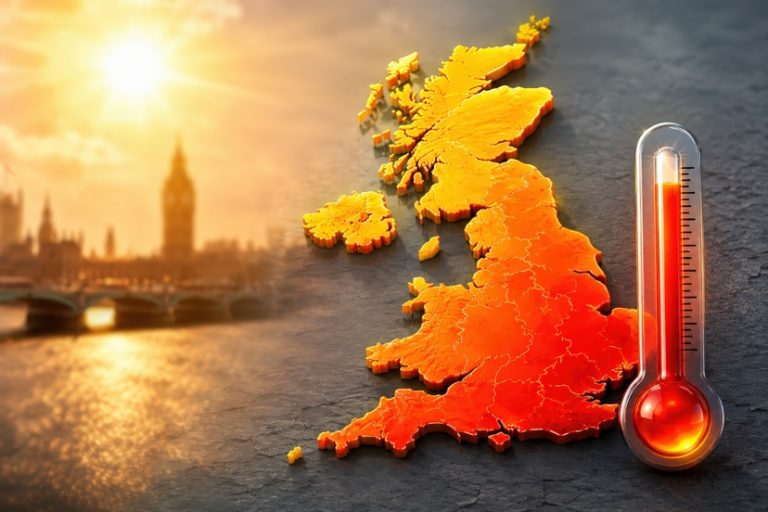
Heatwaves are putting building water systems under greater pressure, warns DAB Pumps UK (Image source: DAB Pumps UK)
While public discussion often focuses on rising demand, hosepipe bans and water conservation measures, the role of building water systems is frequently overlooked. Yet as temperatures rise and demand patterns become more unpredictable, the resilience and efficiency of these systems is becoming increasingly important.
From residential developments and commercial buildings to schools, hospitals and public facilities, water systems are being asked to cope with changing usage patterns, periods of peak demand and growing expectations around sustainability and operational performance.
According to Adam Ferneyhough, Country Director for the UK & Ireland at DAB Pumps, hotter summers are highlighting the need for a more considered approach to water system design and operation: “Every time temperatures rise, the conversation quite rightly turns to water scarcity and reducing consumption. What receives far less attention is the infrastructure inside our buildings that keeps water moving reliably and efficiently where it is needed.
“The reality is that heat waves don't just put pressure on water supplies; they increase intensity on the systems responsible for distributing that water. As demand increases, inefficient or poorly specified systems become more exposed, leading to higher energy consumption, reduced performance and increased operational costs.
“For many years, water and energy efficiency have been treated as separate conversations but in reality, they're closely linked. Every litre of water that moves through a building requires energy somewhere in the process. As water becomes an increasingly valuable resource, the industry needs to think not only about using less of it, but also about moving it more intelligently.
“The buildings that perform best in the years ahead will be those designed around efficiency, resilience and adaptability. With hotter summers becoming more common, that's no longer a future consideration, it's a challenge we're facing right now.”
As periods of extreme weather become more frequent, DAB Pumps UK is encouraging building services professionals to view water efficiency as a whole-system challenge that extends beyond consumption and into how water is stored, managed and distributed throughout the built environment.
Source: Dab Pumps S.p.A.